





Sparky and Shady for Early Years

Five Things to be Happy and Well

An evidence-informed online wellbeing and behaviour support program for children aged 3–8. It strengthens emotional awareness, self-regulation, prosocial skills and resilience through educator-family partnerships.

One shared language for wellbeing, behaviour
and repair across three pathways

Early Childhood

For children aged 3–5

Educators support big feelings, tricky behaviours, social skills, self-regulation and family partnerships with one shared, child-friendly approach.

Primary School

For children aged 5–8

Teachers help children to make wise choices, build emotional awareness, self-regulate, grow friendship skills and be ready to learn. 

Families

 For children aged 3–8 

Parents and carers use simple resources and strategies to guide children’s wellbeing and behaviour in kind ways at home, so everyone feels loved and secure.

Featured in the ACER Wellbeing Program Guide.

Listed in the Be You Programs Directory.

Grounded in evidence-informed research from psychology, education, and neuroscience. 

KathyWeb

Written by wellbeing and behaviour support educator, Kathy Sheehan. BEd (Special Ed, Behaviour Management), BPsychSc (Hons).

Families can purchase the program directly or receive free access through their child’s early childhood service or primary school. 

Meet Sparky and Shady

Sparky and Shady gives children and adults a simple shared language for understanding how human beings work.

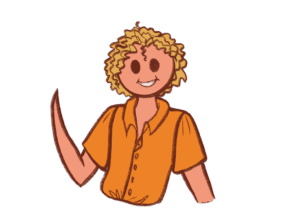
Sparky is the calm, kind, loving and wise part within us.
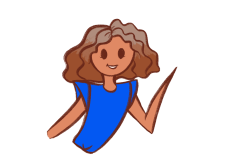
Shady is the protective part that can become loud when we feel scared, stressed, overwhelmed or unsafe.

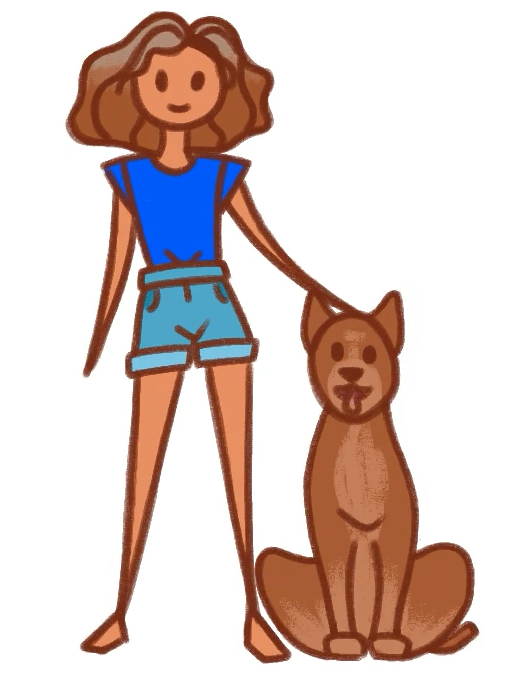
Through five child-friendly lessons (presented by Kathy and her dog, Ranger), children learn to notice their body signals, name their feelings, understand their reactions, make wise choices and repair relationships when things go wrong.

The same language can be used by educators, teachers and families, helping children experience consistency across early childhood settings, school and home.

How Sparky and Shady is different

Sparky and Shady connects children’s wellbeing lessons with practical behaviour support strategies for grownups, so everyone can use the same language in real moments.

Children learn simple self-regulation strategies.

Educators and teachers use practical behaviour support strategies.

Families learn and use the same language and strategies for home.

Together this creates a consistent approach to big feelings, tricky behaviours, conflict, repair, confidence and connection.

The five things

1. Connect with Sparky

Children learn to connect with the calm, brave, kind and wise part within themselves.

2. Train Shady

Children learn about the protective part that can overreact, and how to help Shady feel safe.

3. Look After Your Body

Children learn to notice body signals and understand how hunger, thirst, tiredness and movement affect feelings and behaviour.

4. Feel Your Feelings

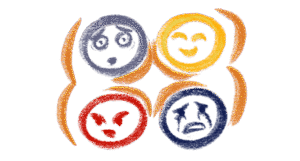
Children learn that all feelings are human, nameable and safe to feel with support.

5. Love Yourself

Children build self-worth, self-compassion and kind inner self-talk.

The five practical behaviour support strategies

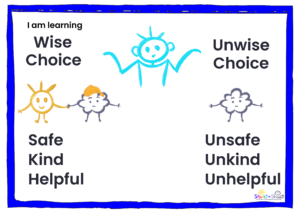
Wise Choice - helping children notice if choices are helpful.

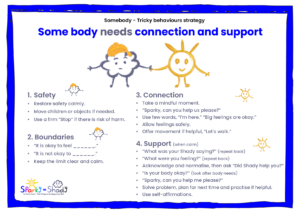
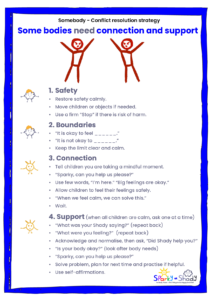
SBCS for tricky behaviours - Safety, Boundaries, Connection and Support.

SBCS for conflict resolution - guiding children through conflict calmly and clearly.

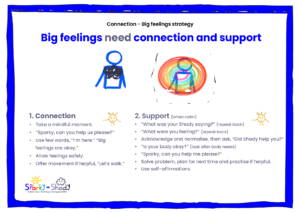
CARS for big feelings - Connect, Acknowledge, Repeat and Support.

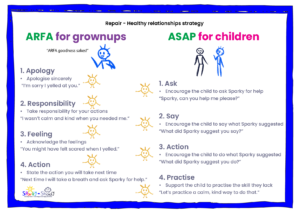
Repair - helping grownups and children reconnect after things go wrong.

Explore the pathways

Early Childhood Educator

For children aged 3–5

Annual access: $440 including GST

Including free access to the Families program for up to 40 families.

Primary School Teacher

For children aged 5–8

Annual access: $440 including GST

Including free access to the Families program for up to 40 families.

Families


 For children aged 3–8 

Annual access: $220 including GST

Testimonial

Sparky and Shady is a very thoughtful process that considers the different aspects of children. It contains lovely descriptions of the positive aspects of ourselves (Sparky) and the more critical, wary and protective part (Shady). It contains strategies and methods for children to cope with a range of problems and challenges. A great contribution!

Andrew Fuller
Clinical Psychologist, Author and Speaker

Scroll to Top